6
The modern slot machine is an intricate mathematical engine hidden behind an engaging audiovisual facade. Whether you are walking the floor of a major Las Vegas resort or logging into a regulated digital casino, the flashing lights and thematic graphics are deliberately designed to mask the underlying algorithmic reality of the game. For the informed player, the most critical decision happens before a single dollar is wagered. That decision revolves around choosing the fundamental math model that governs the game’s payout structure: the fixed jackpot or the progressive jackpot.
To the casual observer, pulling a lever or pressing a digital spin button feels identical across all machines. You place a wager, the random number generator resolves the outcome, and you either win or lose. However, the internal mechanics dictating how the highest tier of prize money is funded, distributed, and mathematically balanced are radically different. Understanding this divide is not merely an exercise in casino trivia; it is the absolute foundation of strategic bankroll management and session longevity.
The Mechanics of the Fixed Jackpot
A fixed jackpot slot machine, often referred to in the industry as a flat-top slot, operates on a rigid, immutable mathematical equation. The highest potential payout is a static multiplier of the player’s wager, and this figure never fluctuates, regardless of how much money has been pumped into the machine or how much time has passed since the last top-tier payout.
A Static Equation of Risk and Reward
If a fixed jackpot machine advertises a top prize of five thousand coins for aligning five specific premium symbols, that payout remains five thousand coins permanently. If a player hits that jackpot at noon, the person who sits down at that exact same machine at 12:05 PM has the exact same statistical probability of hitting the exact same five-thousand-coin payout on their very first spin. The machine does not possess a memory of past payouts, nor does it require a period of financial recovery after surrendering a massive win.
This static nature provides the player with absolute transparency. You know precisely what you are risking and exactly what the absolute ceiling of your return will be. There are no shifting goalposts and no complex network meters to monitor.
Volatility and the Base Game Experience
Because the casino knows exactly what their maximum liability is on a fixed jackpot machine, the game designers can program a more balanced experience into the base game. Fixed jackpot slots generally feature a higher hit frequency, meaning that a player will experience winning spins more often. While these wins might be small—often just returning the initial wager or a slight profit—they serve a critical psychological and strategic function. They keep the player engaged and act as a steady drip of capital that extends the lifespan of the session bankroll. For a player looking to grind out casino loyalty points, clear a digital deposit bonus, or simply enjoy a prolonged evening of entertainment without suffering rapid, devastating financial swings, the lower variance of the fixed jackpot is the mathematically superior environment.
The Ecosystem of the Progressive Jackpot
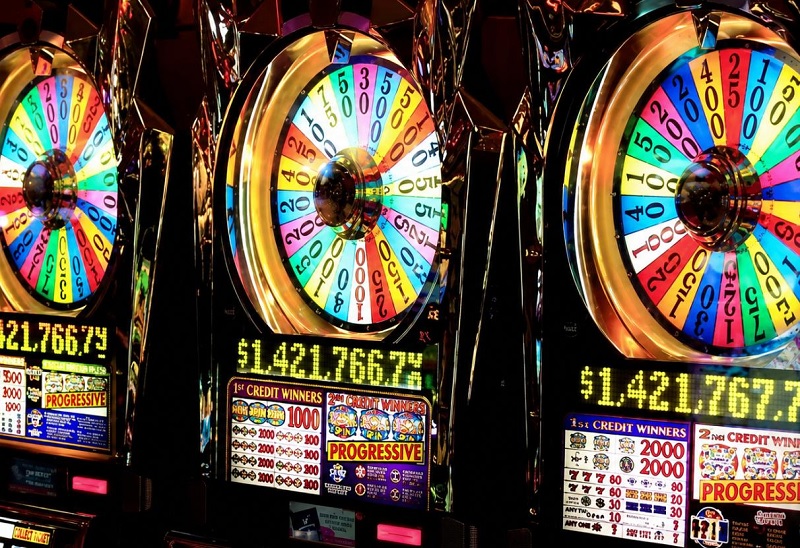
If the fixed jackpot is a predictable, self-contained equation, the progressive jackpot is a living, breathing financial ecosystem. Instead of offering a static top prize, a progressive slot features a constantly growing prize pool that scales upward with every single wager placed by every single player actively engaging with the game.
The Fractional Accumulation Engine
The core mechanic driving a progressive jackpot is the fractional contribution. Every time you press the spin button, the machine takes a small, predetermined percentage of your wager and instantly diverts it into the communal jackpot meter. If you are playing a digital slot with a one-dollar spin, a few cents of that dollar are removed from the base game’s standard payout pool and added to the top prize. Because modern slot machines handle thousands of spins per hour, this micro-tax accumulates at an astonishing velocity. The jackpot will continue to swell infinitely until the random number generator aligns the exact, highly improbable combination required to trigger the payout. Once won, the meter instantly resets to a predetermined base amount, known as the seed value, and the accumulation process begins again.
Standalone, Local, and Wide-Area Networks
The sheer scale of a progressive jackpot is dictated by how the machine is networked. Understanding these tiers is crucial for setting realistic expectations.
A Standalone Progressive is isolated to a single physical cabinet or a single instance of a digital game. The jackpot only grows based on the wagers placed by the individual sitting directly in front of it. These jackpots rarely reach astronomical figures, but they offer the best statistical odds of actually hitting the top prize.
A Local Area Progressive links multiple machines together within a single physical casino or across a single digital operator’s platform. A bank of twelve machines on a casino floor might all feed into the same overhead meter. These jackpots grow significantly faster and reach much higher totals, routinely paying out sums that could purchase a luxury vehicle or pay off a standard mortgage.
The Wide-Area Progressive is the absolute apex of the slot machine ecosystem. In the physical realm, these networks link thousands of machines across an entire state or regulatory jurisdiction. In the online sector, they span multiple independent casinos that all license the same game from a primary software developer. Games like Megabucks in Nevada or Mega Moolah in the digital space are wide-area progressives. Because tens of thousands of players are simultaneously feeding the meter every second of the day, these jackpots frequently climb into the tens of millions of dollars.
Analyzing the Mathematical Trade-Offs
The allure of a multi-million dollar payday is undeniably powerful, but it comes at a severe mathematical cost. Casinos do not print free money; the funds required to pay out those massive progressive jackpots must be systematically extracted from the players.
The Implied Progressive Tax
When evaluating a slot machine, the most important metric is the Return to Player (RTP) percentage. If a slot has a 95 percent RTP, it is mathematically programmed to return ninety-five cents of every dollar wagered over an infinite timeline, keeping five cents as the house edge.
On a progressive slot, the advertised RTP is highly deceptive. If a wide-area progressive advertises an RTP of 90 percent, you must understand how that return is distributed. A significant chunk of that RTP—sometimes as much as ten percent—is locked entirely within the top jackpot tier. This means the base game, the part of the slot you will be playing 99.9 percent of the time, operates on a brutal effective RTP of 80 percent. This creates an incredibly high-variance environment. You will experience extended, grueling losing streaks with very few medium-sized wins to sustain your bankroll, simply because the machine is starving the base game to feed the grand prize.
The Maximum Bet Requirement
Perhaps the most devastating error a novice can make on a progressive slot is failing to read the betting requirements. To qualify for the top progressive tier, the vast majority of these machines require you to place the maximum allowable bet.
If a machine requires a three-credit max bet to unlock the progressive, and you only wager two credits, your fractional contribution is still taken to feed the meter. However, if you align the jackpot symbols, you will not receive the multi-million dollar prize displayed in glowing neon above you. Instead, you will receive a flat, severely reduced consolation payout. You are effectively paying the premium for a lottery ticket but voluntarily disqualifying yourself from winning the drawing.
Aligning Strategy with Player Intent
Ultimately, deciding between a fixed and progressive slot is not a matter of finding a machine that is “due” to hit. It is an exercise in matching your bankroll size and risk tolerance to the appropriate mathematical model.
The fixed jackpot is designed for the grinder. It offers a sustainable, highly transparent session where the baseline math works to keep you in the seat, providing consistent entertainment and a reasonable, statistically grounded opportunity to walk away with a modest profit.
The wide-area progressive is not a traditional casino game; it is a highly volatile lottery disguised as a slot machine. Players who sit down at these terminals must accept that they are trading sustainable base-game odds for the infinitesimal chance at generational wealth. By understanding the invisible math driving the flashing reels, players can strip away the casino’s carefully crafted illusions and deploy their capital exactly where it serves their specific goals.
