
6
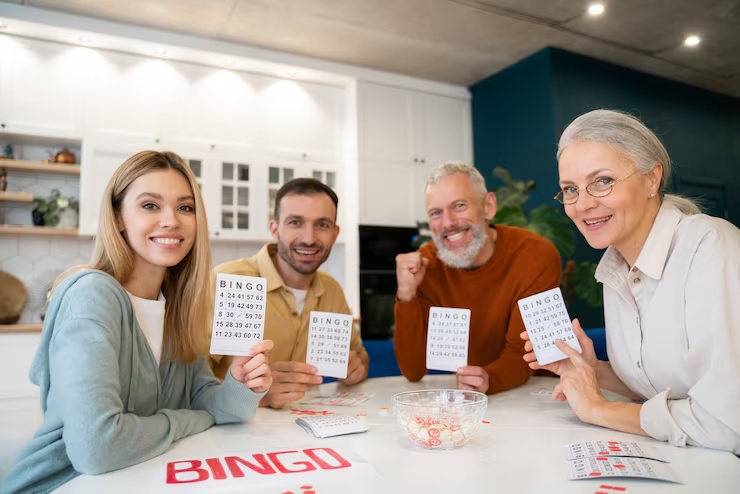
The transition from physical bingo halls to the digital landscape could have easily stripped the game of its most defining characteristic: the human element. For decades, the appeal of bingo was never strictly about the numbers on a card; it was about the shared anticipation, the familiar faces at the local hall, and the collective groan or cheer when a winning combination was called. Yet, rather than isolating players behind glowing screens, the online bingo industry has deliberately engineered virtual environments that replicate and significantly expand upon traditional community dynamics. Today, online bingo operates less like a solitary gaming activity and much more like a highly interactive, multiplayer social network.
Operators quickly realized that a purely automated number-drawing system would fail to retain players long-term. To survive and thrive in a crowded digital entertainment market, the software had to facilitate genuine human connection. By blending classic gameplay with modern communication technology, online bingo platforms have transformed a static game of chance into a dynamic, deeply interactive community experience.
The Role of Live Chat in Bridging the Virtual Divide
At the heart of every successful online bingo platform is the live chat interface. This feature is not an afterthought tacked onto the side of the screen; it is the central nervous system of the digital bingo experience.
Facilitating Real-Time Connection
In a traditional hall, players must remain quiet so others can hear the caller. The digital space completely removes this restriction. Because the software automatically marks the cards and tracks the numbers, players are entirely free to socialize without the fear of missing a critical call. The chat room runs parallel to the gameplay, creating a constant stream of conversation. Players congratulate each other on wins, commiserate over near-misses (the infamous “waiting on one number” agony), and discuss their daily lives. This continuous loop of real-time feedback transforms a passive screen-watching activity into an active, engaging conversation.
The Crucial Influence of Chat Hosts
Technology alone cannot sustain a vibrant community. The most interactive platforms rely heavily on chat hosts or chat moderators. These individuals act as the digital equivalent of a master of ceremonies, a party host, and a referee all rolled into one.
A skilled chat host sets the tone for the room, greeting regular players by name as they log in and ensuring newcomers feel instantly welcomed. They are responsible for keeping the energy high during slow periods and defusing any tension that might arise. More importantly, chat hosts humanize the digital platform. By sharing personal anecdotes, asking daily icebreaker questions, and celebrating player milestones like birthdays and anniversaries, hosts cultivate an atmosphere that feels incredibly local and intimate, despite the global nature of the player base.
Gamification and Layered Interactivity
To keep the interactive momentum going between the main bingo draws, platforms have integrated sophisticated gamification elements directly into the community space. This layered approach ensures that players always have a reason to stay engaged with the interface and with each other.
The most prominent example of this is the implementation of chat games. While the main bingo software draws numbers in the background, the chat host will run separate, rapid-fire trivia contests, word scrambles, or number-guessing games within the chat window itself. Players who answer correctly or react the fastest are often rewarded with small amounts of bonus funds, free tickets, or loyalty points.
This creates a micro-economy of interaction. Players are not just competing against the house; they are engaging in friendly, low-stakes competition with their peers. This dual-layer of entertainment—the passive anticipation of the bingo card and the active participation in the chat game—creates a highly engaging rhythm that physical bingo halls simply cannot replicate. Furthermore, the integration of community leaderboards for these side games allows players to build reputations and friendly rivalries, adding depth to the interactive experience.
Building Shared Identity Through Digital Customization
Interaction in digital spaces relies heavily on visual identity. In a physical hall, players recognize each other by their faces, their lucky charms lined up on the table, and their usual seating preferences. Online platforms have recreated this sense of identity through extensive digital customization.
Players are encouraged to build out detailed user profiles, select distinct avatars, and even choose personalized digital daubers (the virtual markers used to stamp the bingo cards). When a player wins a game, their avatar and username are broadcast across the screen for the entire room to see. Over time, regular players become recognizable fixtures within specific digital rooms. This visual consistency allows members to form attachments to the digital personas of their peers. When a recognizable avatar logs into the room, it triggers the same psychological warmth as seeing a friend walk through the doors of a local community center.
Breaking Geographic Barriers to Foster Inclusivity
One of the most profound ways online bingo has expanded the interactive experience is by democratizing access. Physical halls are inherently limited by geography; you can only play with the people who live within driving distance. Digital platforms erase these borders, bringing together highly diverse groups of people who would never have crossed paths in the physical world.
A player from a rural farming town in the Midwest can seamlessly chat and play alongside someone living in a high-rise in New York City. This blending of backgrounds leads to rich, diverse conversations in the chat rooms. Moreover, online bingo provides critical social accessibility for individuals with mobility issues, social anxiety, or demanding work schedules that prevent them from attending scheduled in-person events. For many, the online bingo community serves as a vital lifeline to the outside world, offering a safe, low-pressure environment to interact with others and feel a sense of belonging on their own terms.
Cross-Platform Integration and Extended Ecosystems
The interactive experience of modern online bingo rarely stops when the player logs out of the main platform. Operators have recognized that true communities exist across multiple touchpoints, leading to the deliberate expansion of bingo networks into mainstream social media.
Operators actively maintain dedicated Facebook groups, Discord servers, and Instagram pages where the conversation continues 24 hours a day. In these extended ecosystems, chat hosts share behind-the-scenes content, players post screenshots of their big wins, and members organize digital watch parties or charity drives. By pushing the community beyond the confines of the proprietary bingo software, platforms allow relationships to deepen. Players begin adding each other as friends on personal social media accounts, transitioning their dynamic from “people who play the same game” to genuine, real-world friends.
The Psychological Value of Virtual Connection
The success of these interactive features speaks to a deeper psychological need. In an increasingly digital and often isolated modern society, people are actively seeking out spaces that offer routine, familiarity, and a sense of shared purpose.
Online bingo communities provide a predictable, comforting rhythm. Regular players often log in at the exact same time every evening, explicitly to catch up with their digital friends. When a regular player is absent for a few days, it is common for the chat host and other players to ask about them, expressing genuine concern. This level of interpersonal care is the ultimate hallmark of a successful interactive experience. The game of bingo simply serves as the anchor—a low-stress, familiar activity that occupies the hands and the mind just enough to facilitate open, relaxed conversation.
As technology continues to advance, the methods of interaction within online bingo will inevitably evolve. We are already seeing the early stages of augmented reality (AR) features and live-streaming callers stepping into the space to bring the environment closer to a physical reality. However, the core principle will remain unchanged. The enduring appeal of online bingo does not lie in the sophistication of its random number generators or the size of its digital jackpots. Its true value, and the key to its future, lies in its unparalleled ability to use a simple game as a foundation for building authentic, interactive human communities.
